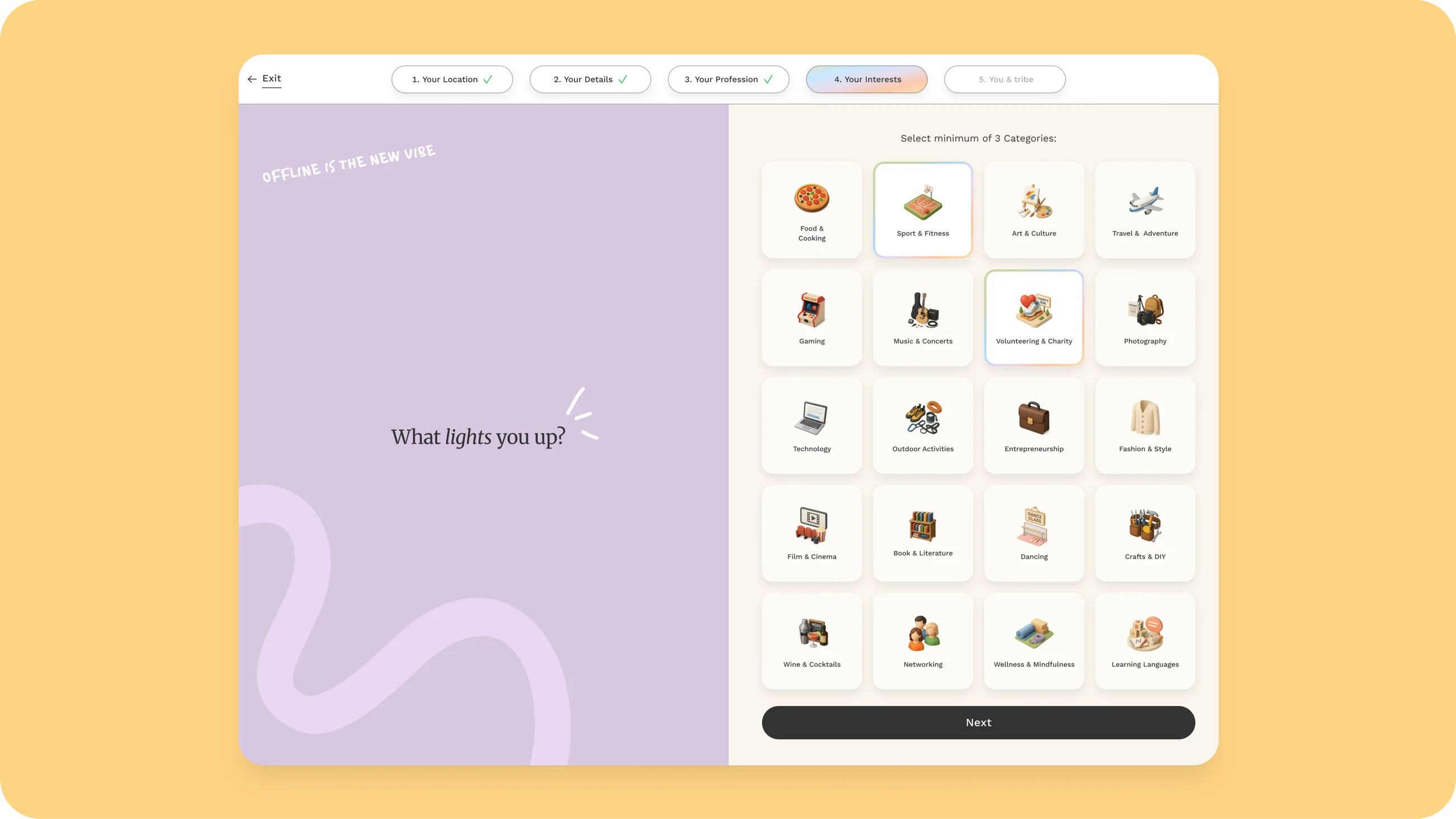
Tribe

Overview
Two audiences inside one product. Organisers running the business of a community, and members showing up to use it, served from one release plan and one shared system.
Scope: organiser dashboard, memberships, events, ticketing, payments, the member surface, and an 80-component system built from scratch.
Each release had to make organisers' day-to-day shorter without making the member surface louder. The business needed monetisation early; the community needed a calm product first. Both pressures lived in the same backlog.
The constraint shaped the architecture. A small set of load-bearing flows on one system every later feature plugs into, rather than a wider surface that fragments under its own weight. Less to maintain, more to compound.
Impact
- 01200+ communities created within the first six months of launch200+ communities created within the first six months of launch
- 02100+ memberships sold without making the member surface louder100+ memberships sold without making the member surface louder
- 03Took the product from 0 → live platform across core product areas.Took the product from 0 → live platform across core product areas.
- 04Designed and shipped 5 major digital features within the first 6 months.Designed and shipped 5 major digital features within the first 6 months.
- 0540+ releases shipped from specs that held up in QA40+ releases shipped from specs that held up in QA
- 061,000+ tickets purchased by members on the surface we shipped1,000+ tickets purchased by members on the surface we shipped
My Role
As Product Lead at Tribe, I shape what we build, why, and in what order, across a platform serving organisers and members.
My remit spans the product and the operational systems behind it, judged on whether organisers run their community with less friction and each release leaves the platform more coherent than it found it.
In practice that means making trade-offs explicit and holding the team to a few decisions at a time, so we ship end-to-end rather than half-built.
Getting orientation fast
Getting our bearings by surfacing needs.


Stakeholder interviews
12 interviews: the business needed monetisation, the community a calm product.
Community interviews
20 organisers showed where revenue leaked: onboarding, events, payouts.
Information architecture
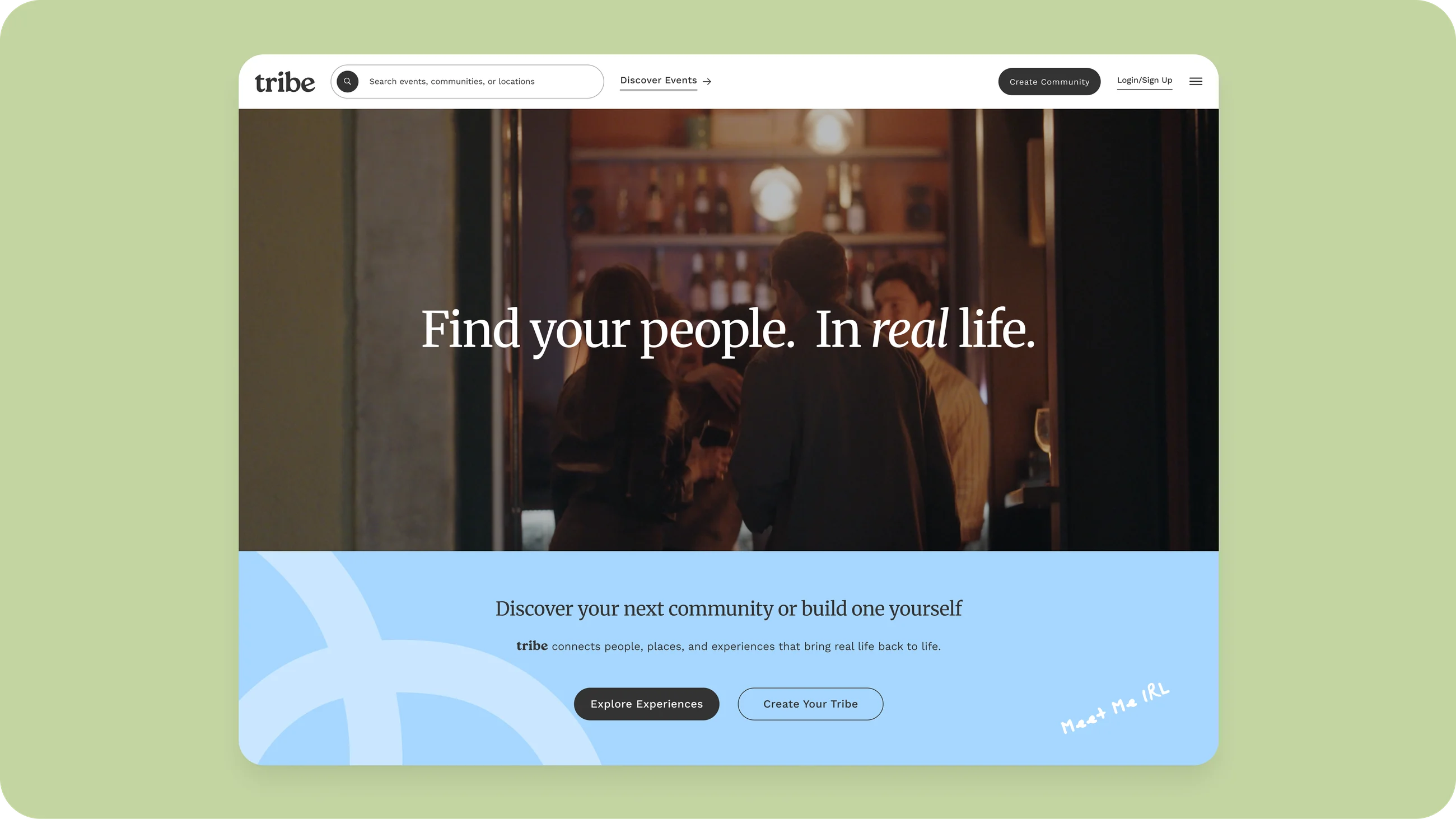
Two surfaces under one ruleset: public marketing split from the authenticated app.
What we built first and why
Ship the foundation first, then the features that depend on it.
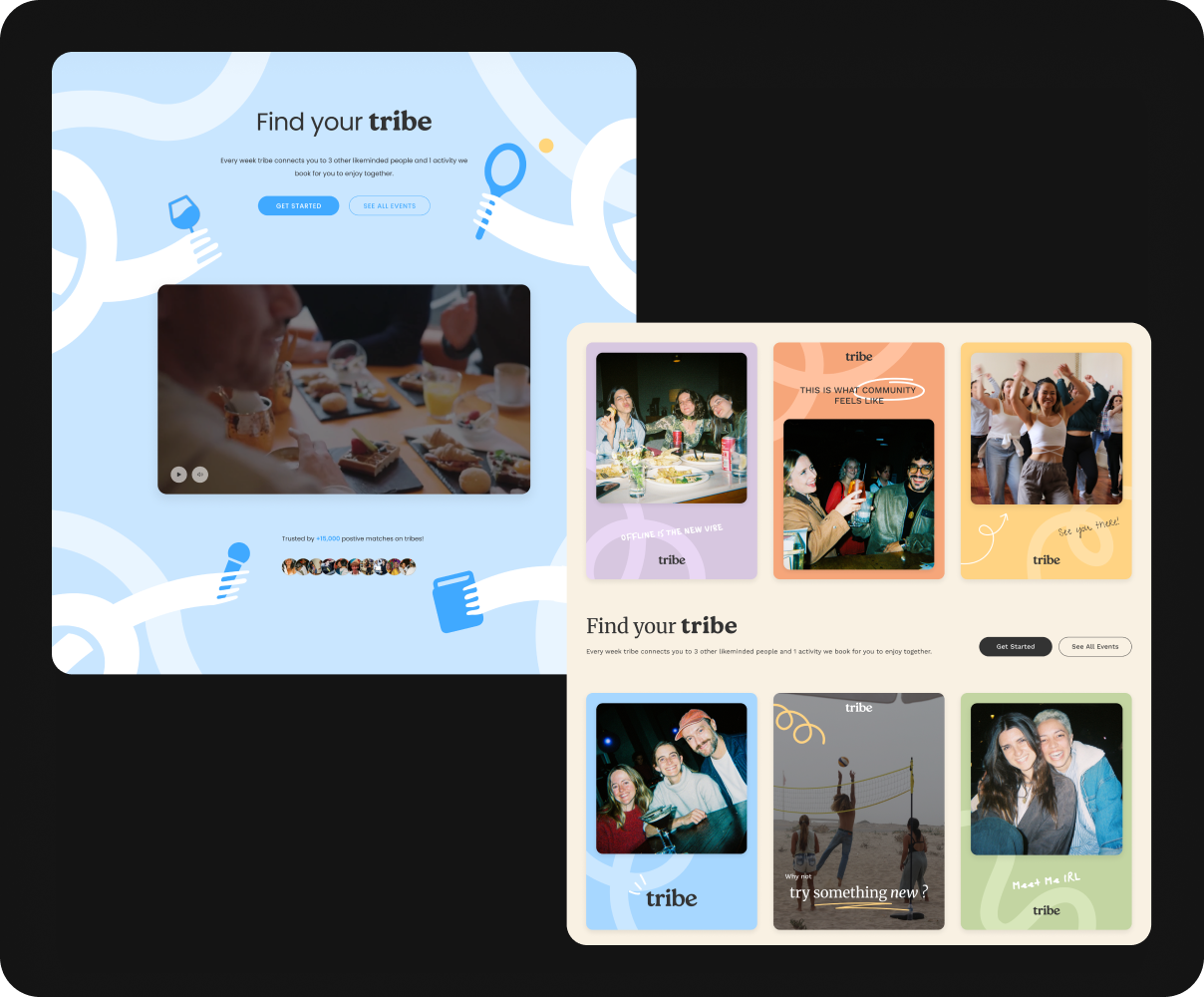
Early concepts
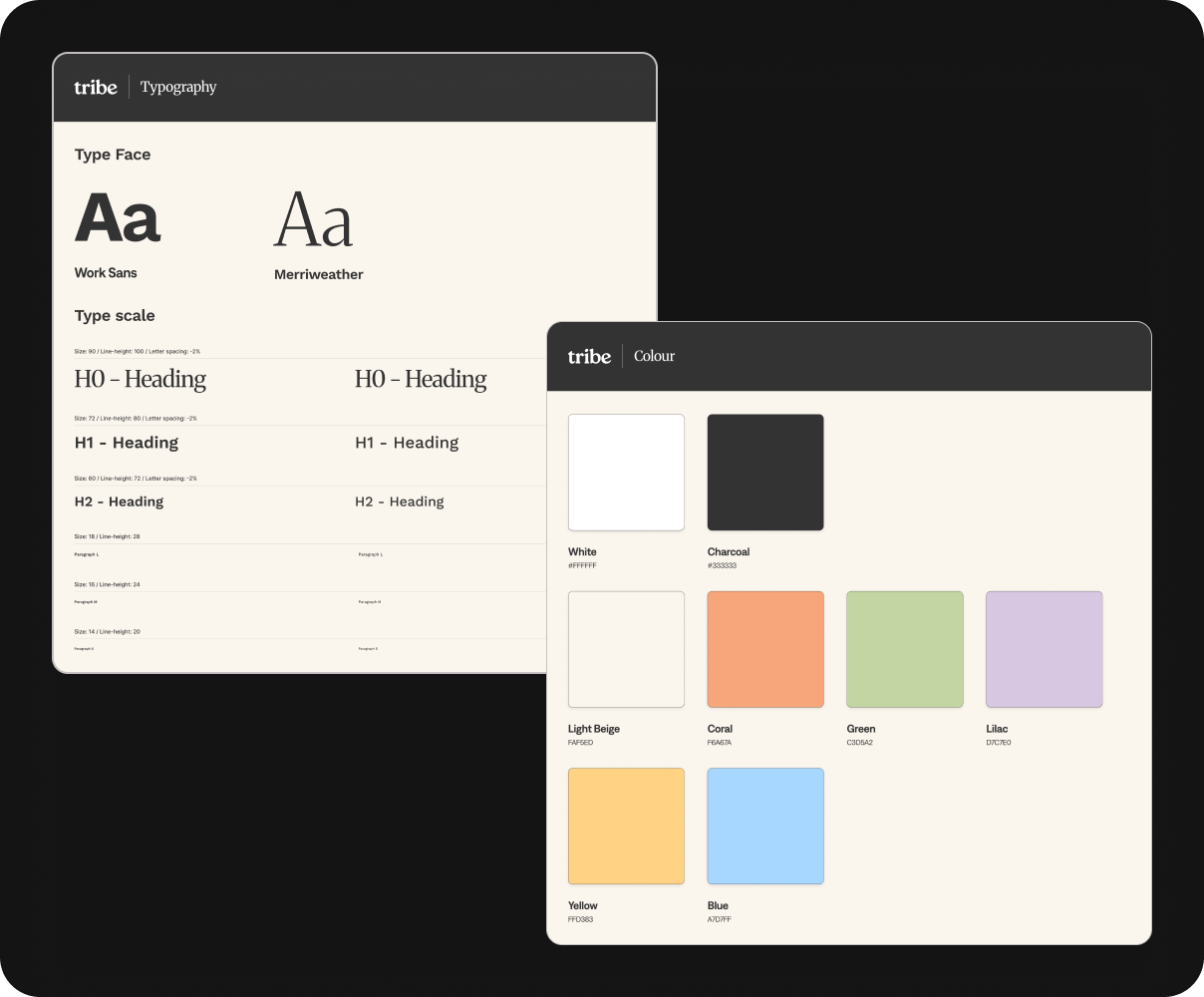
Design System
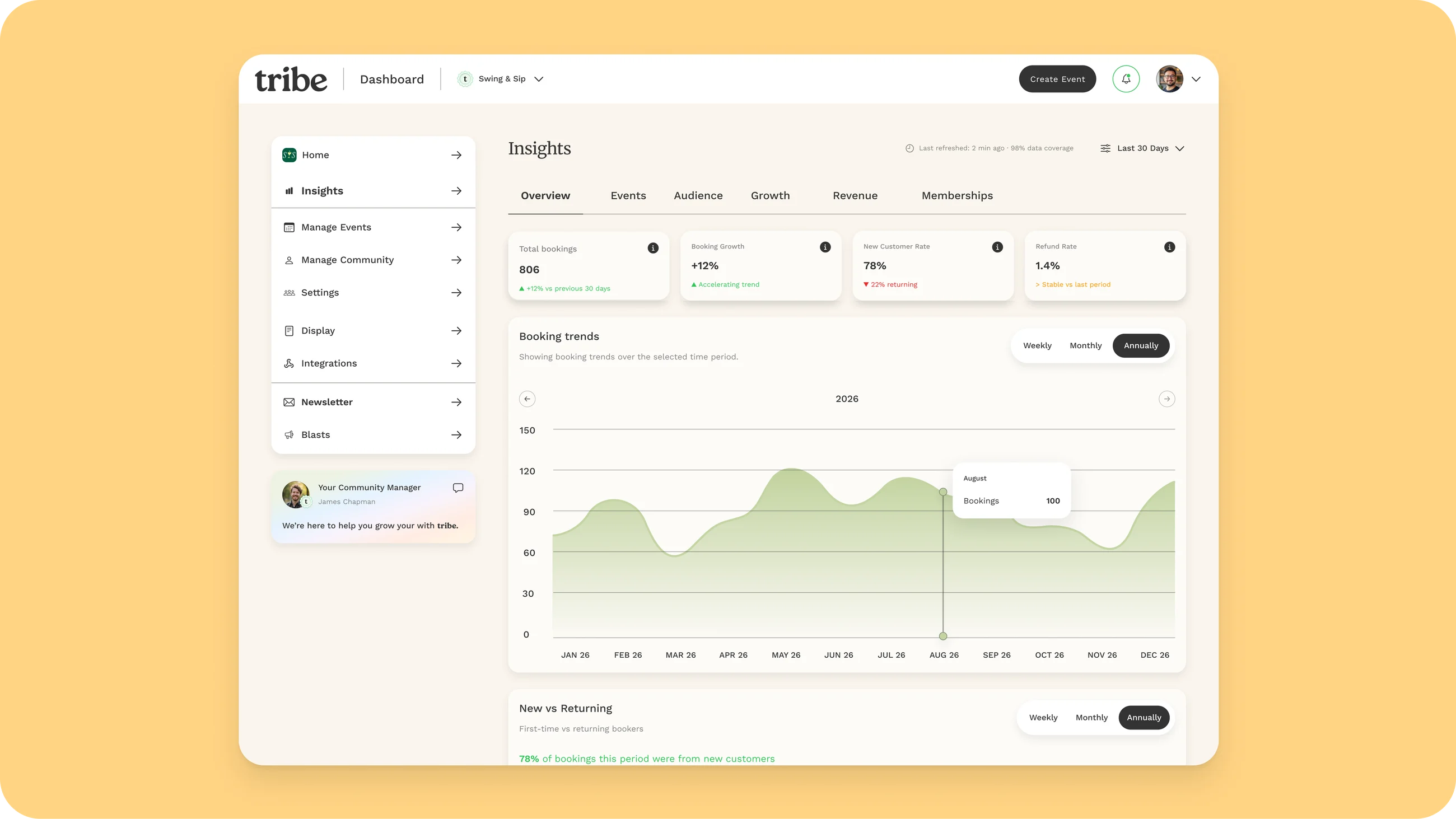
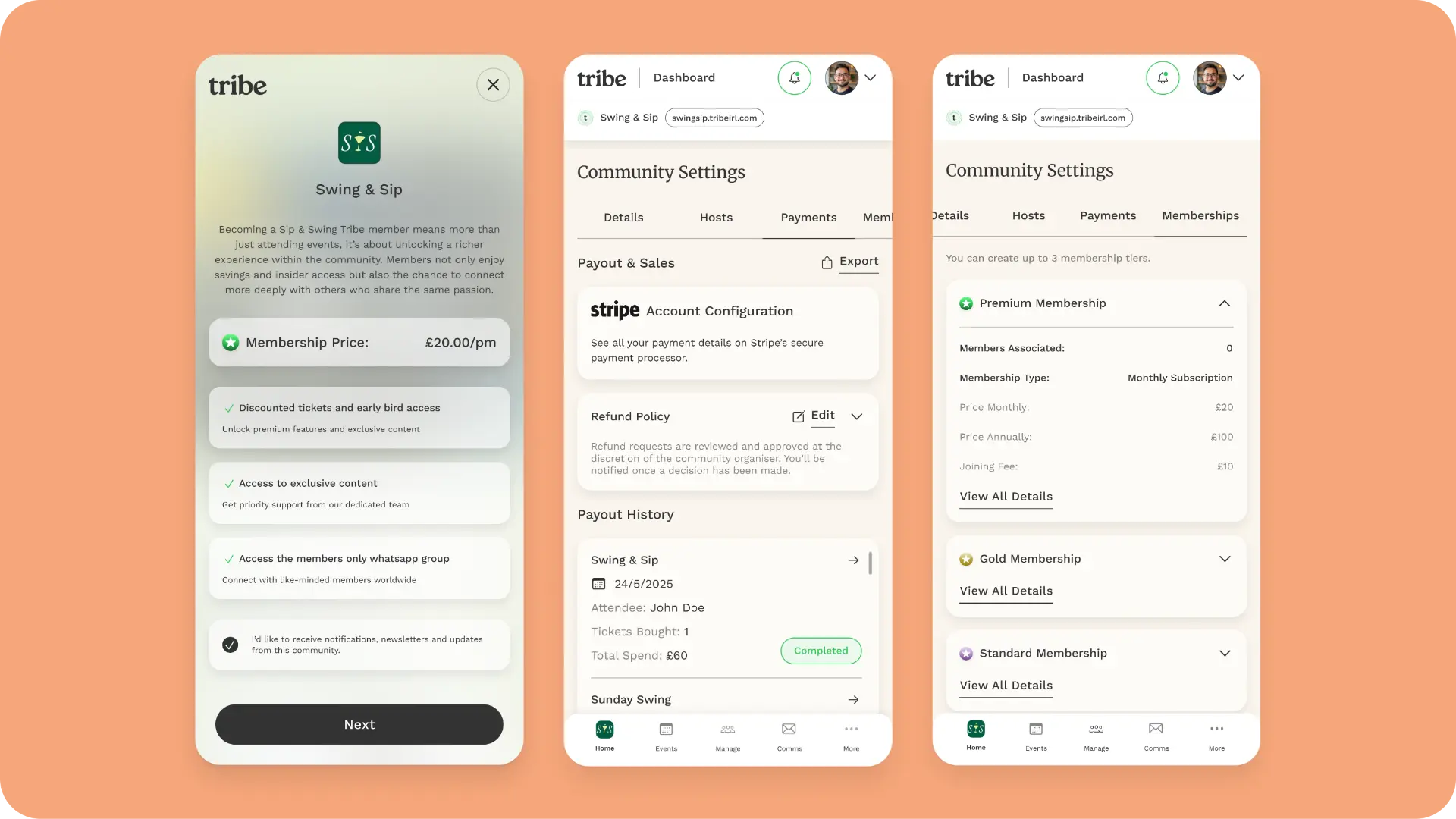
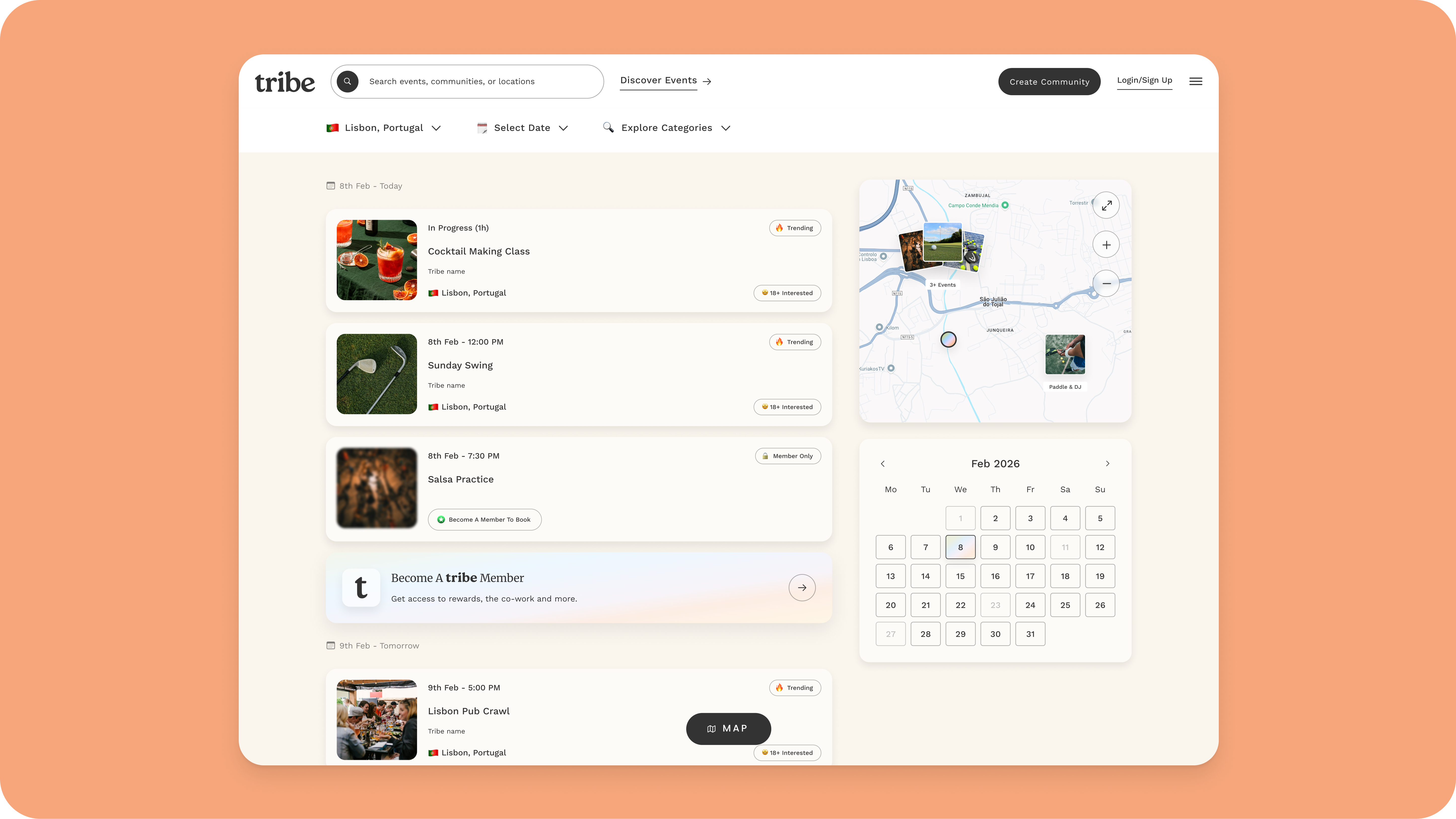
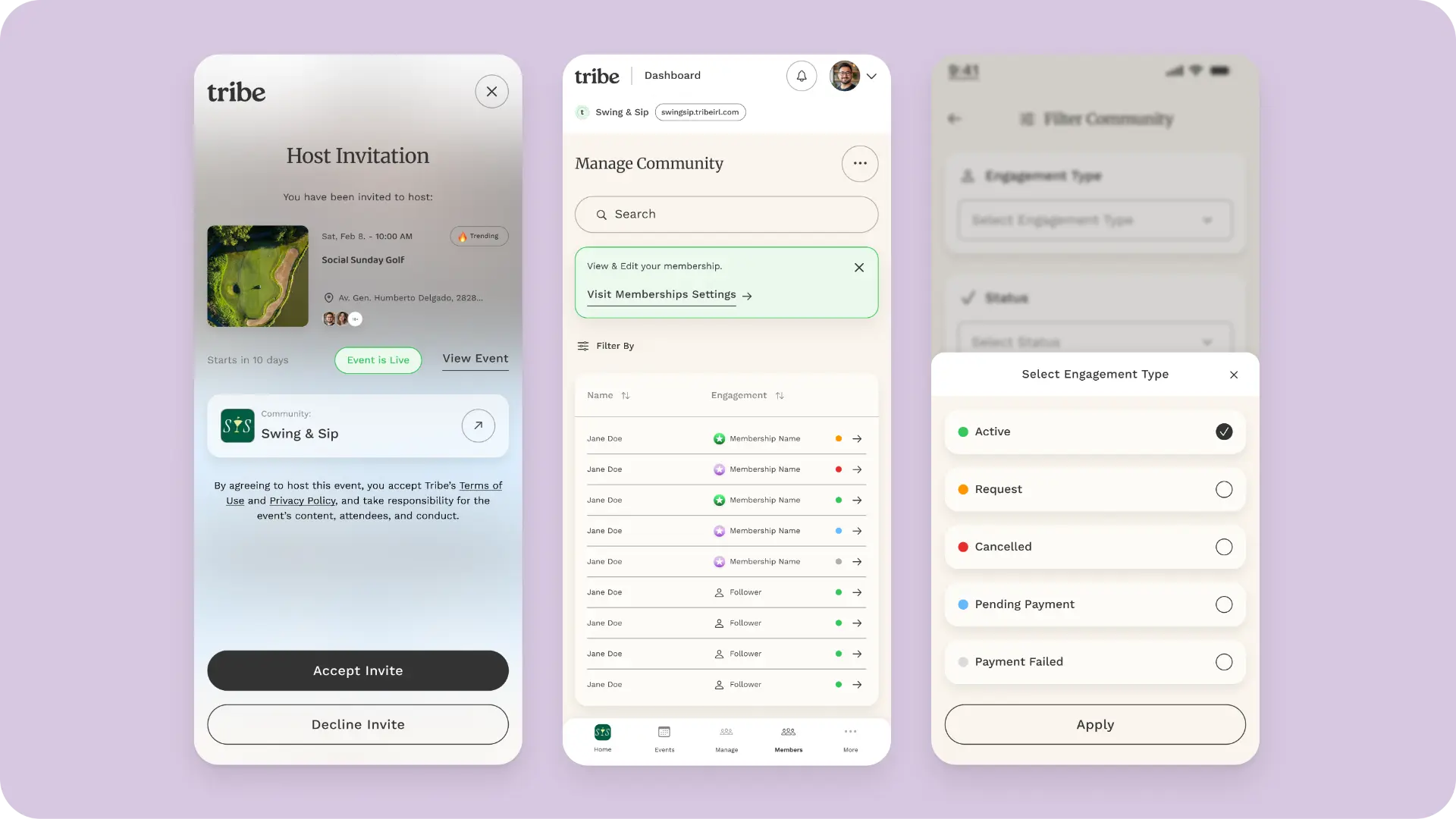
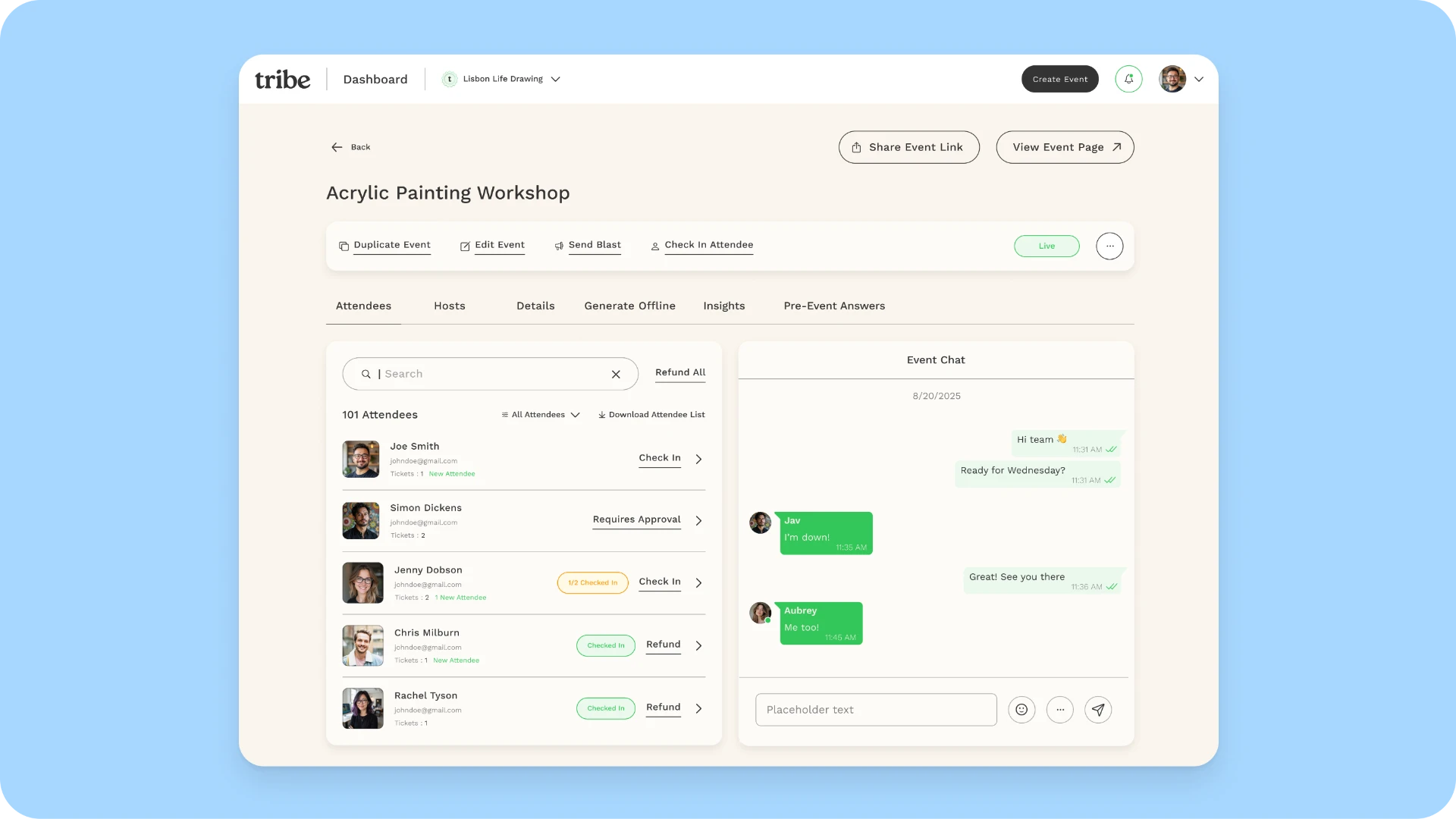
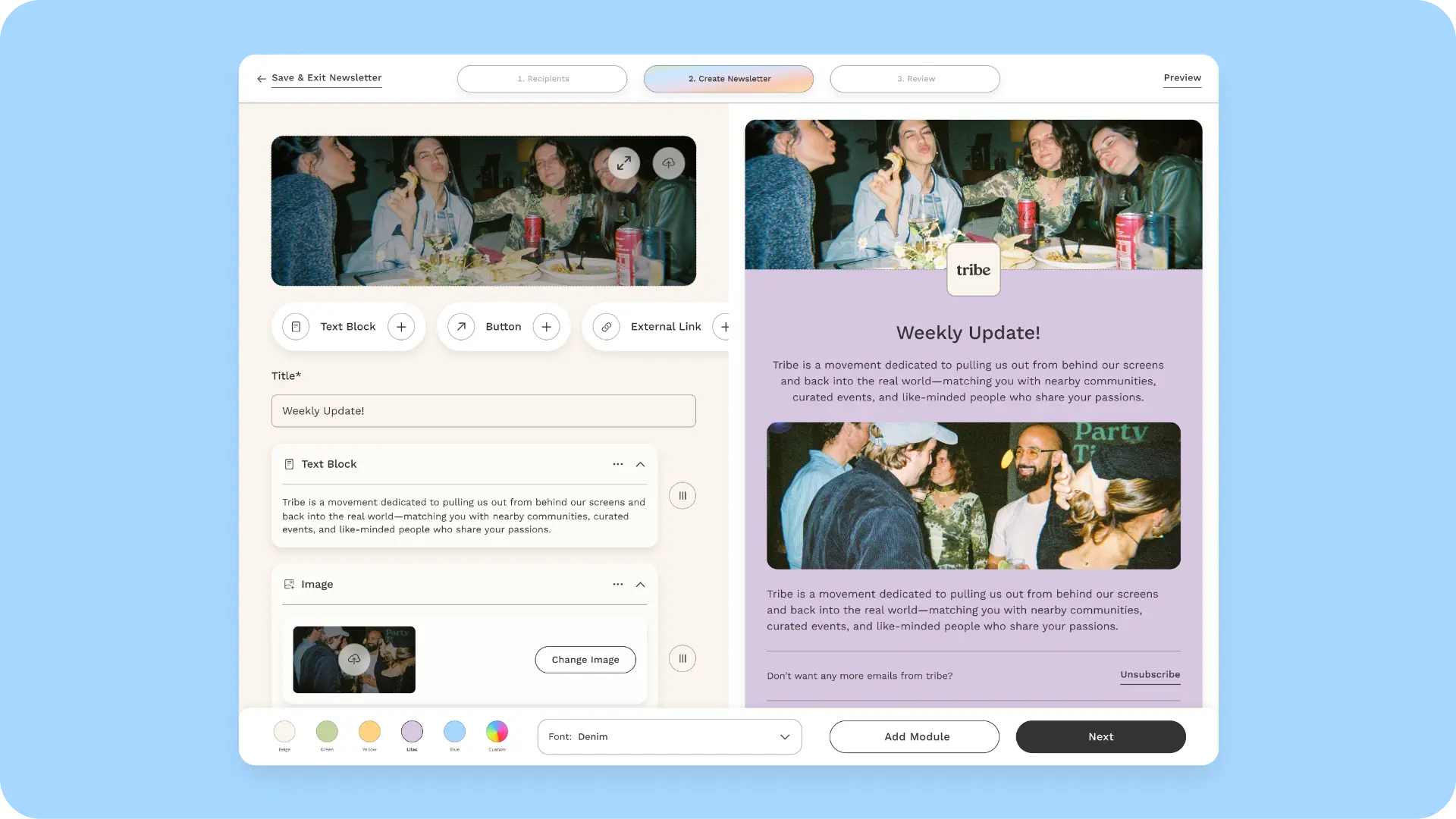
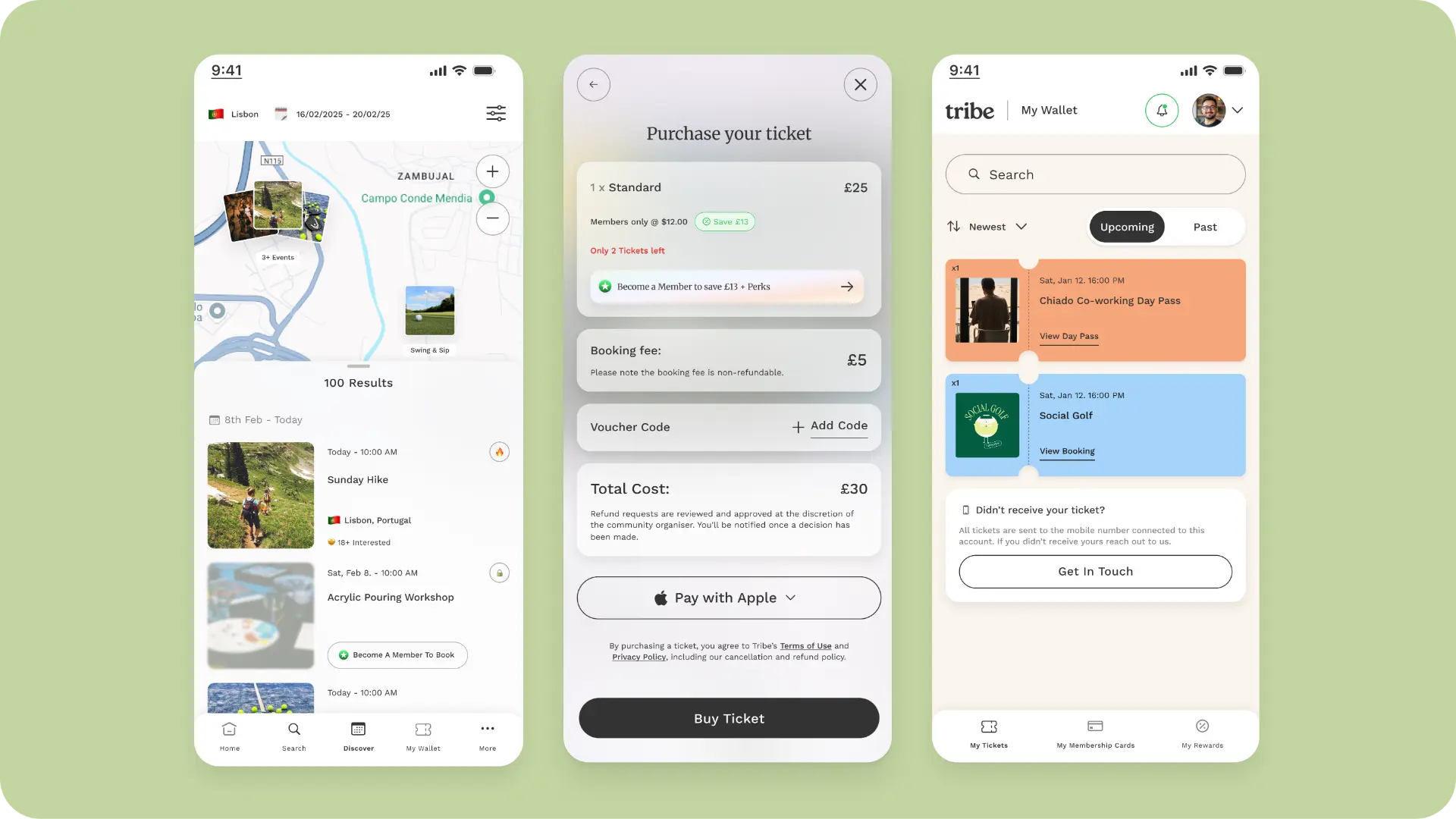
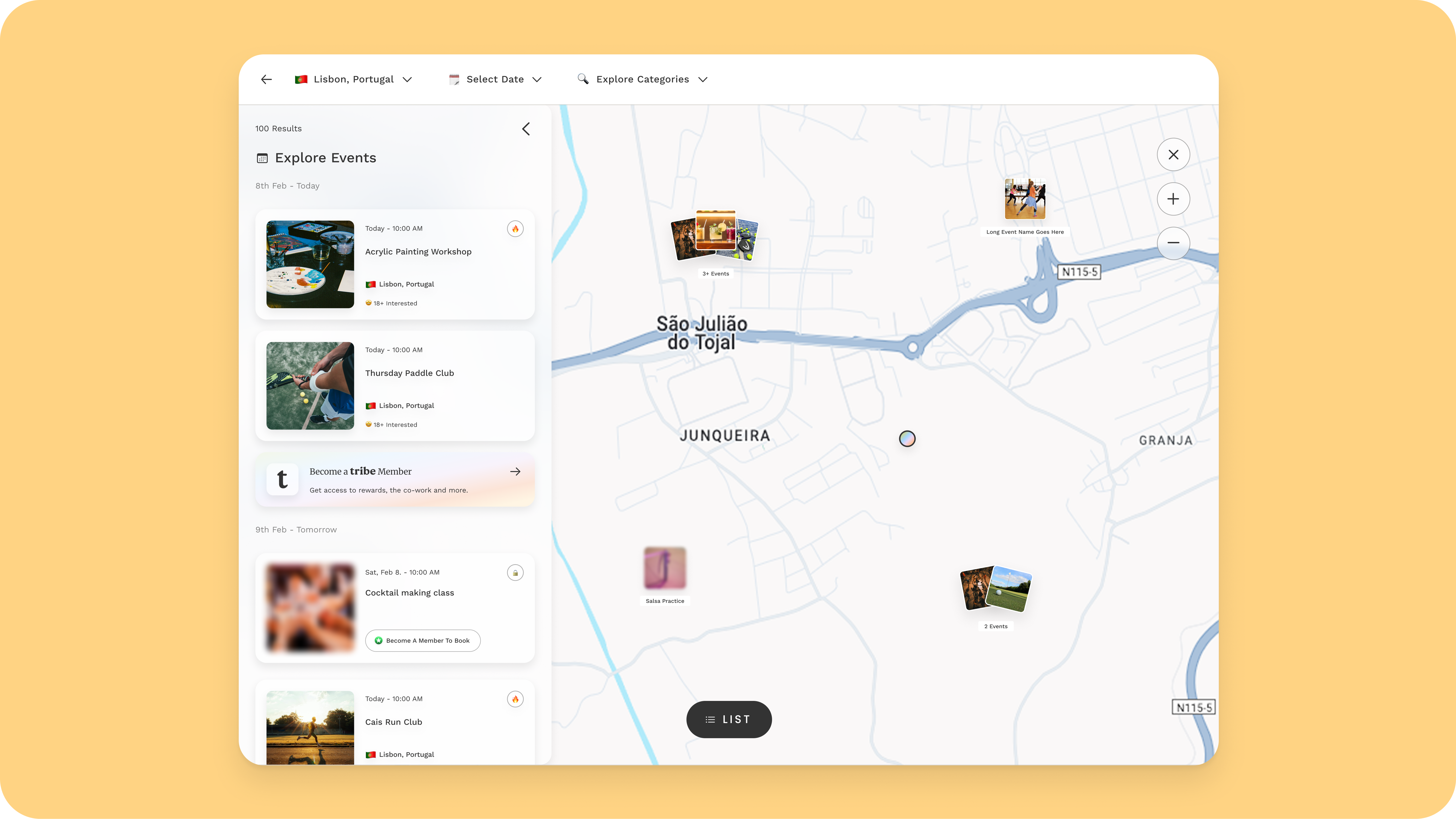
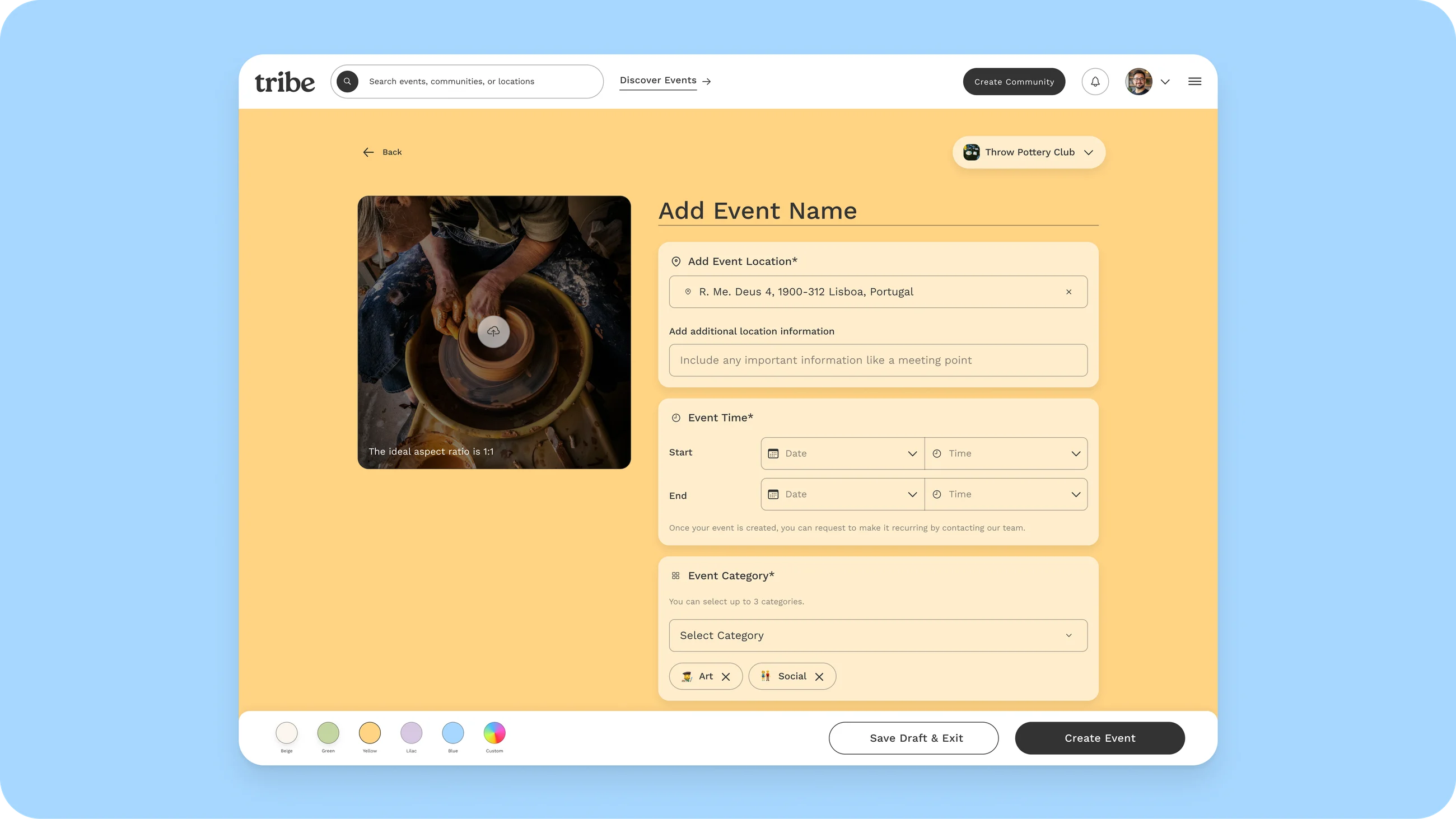
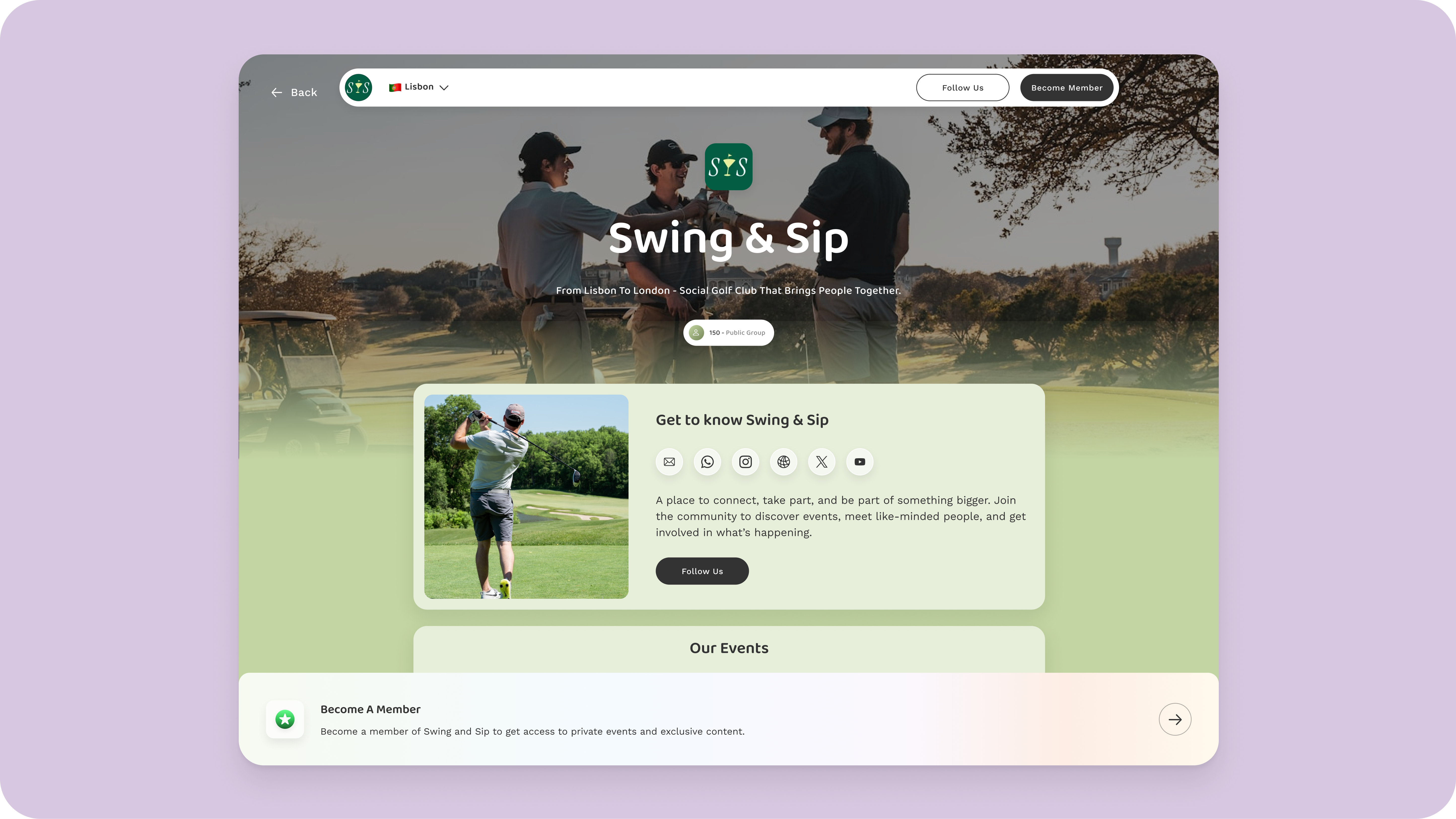
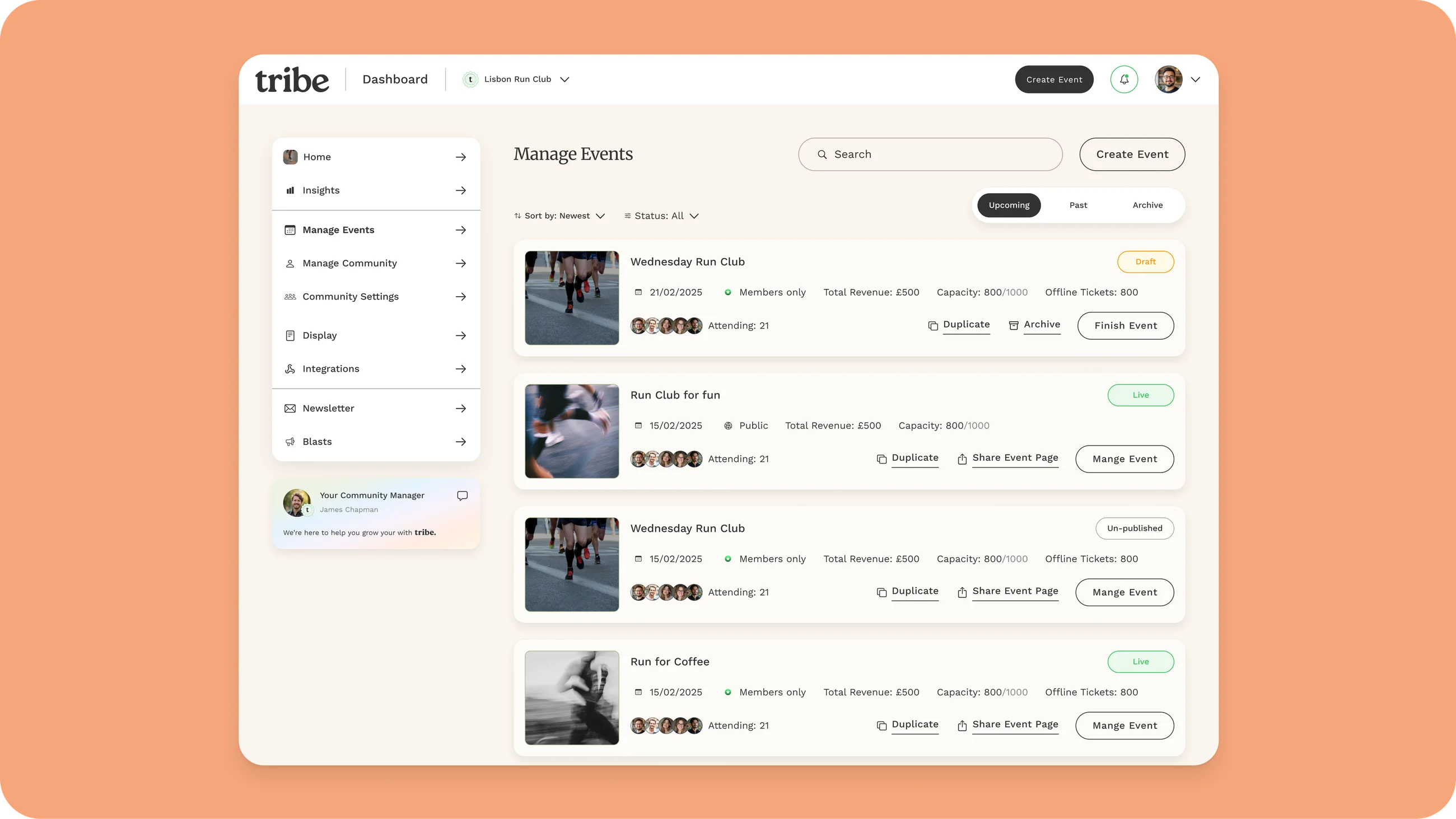
The product
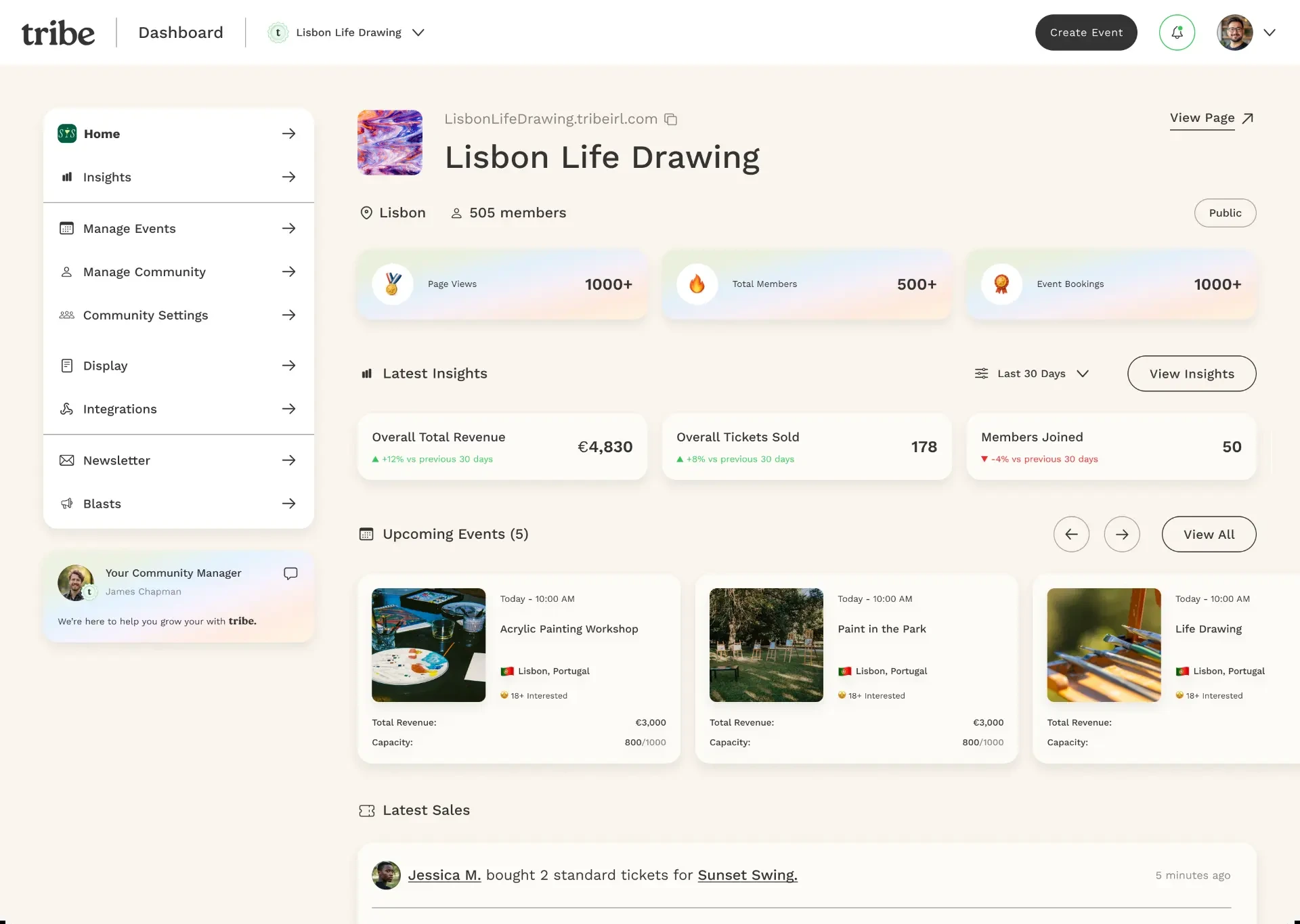
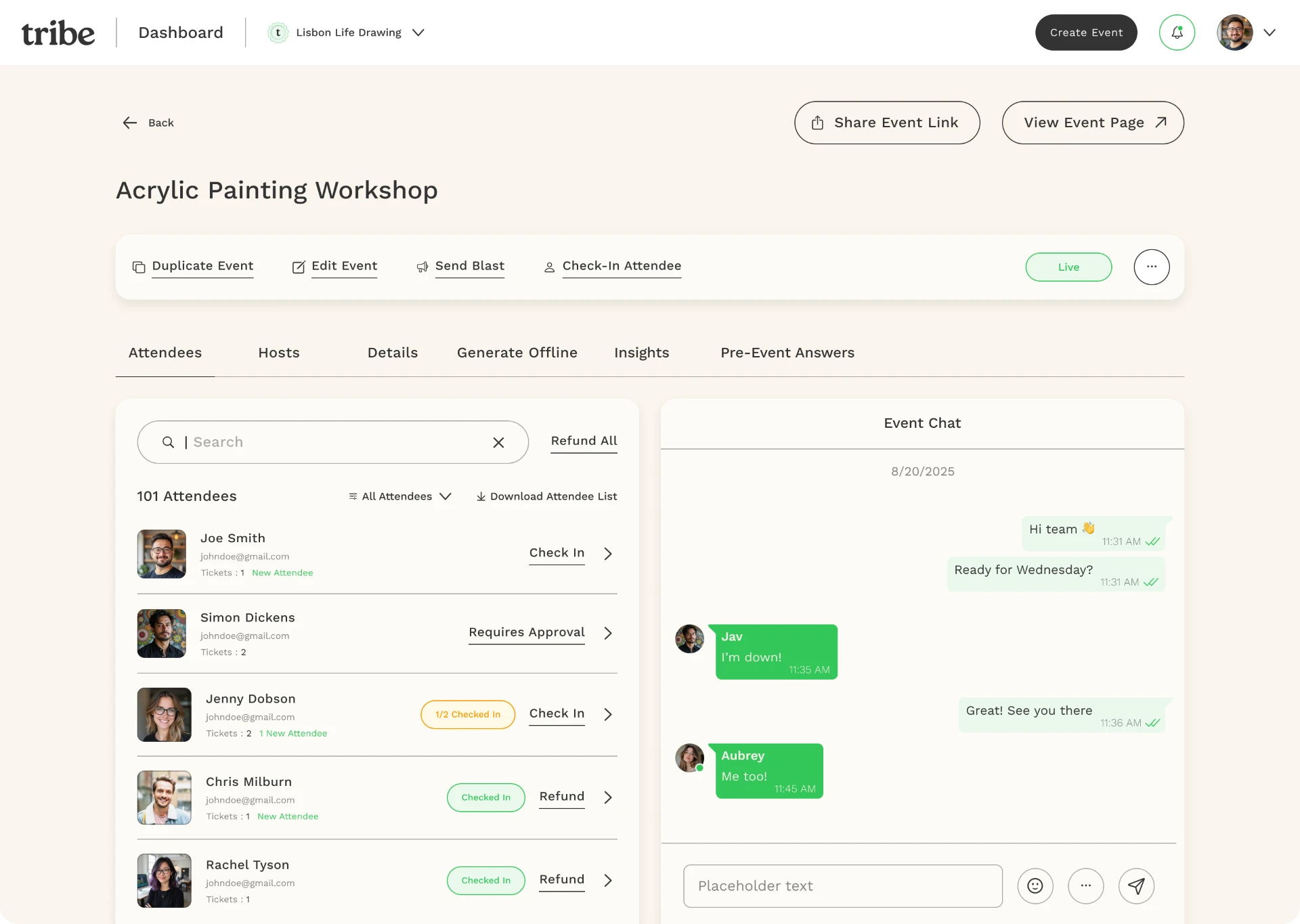
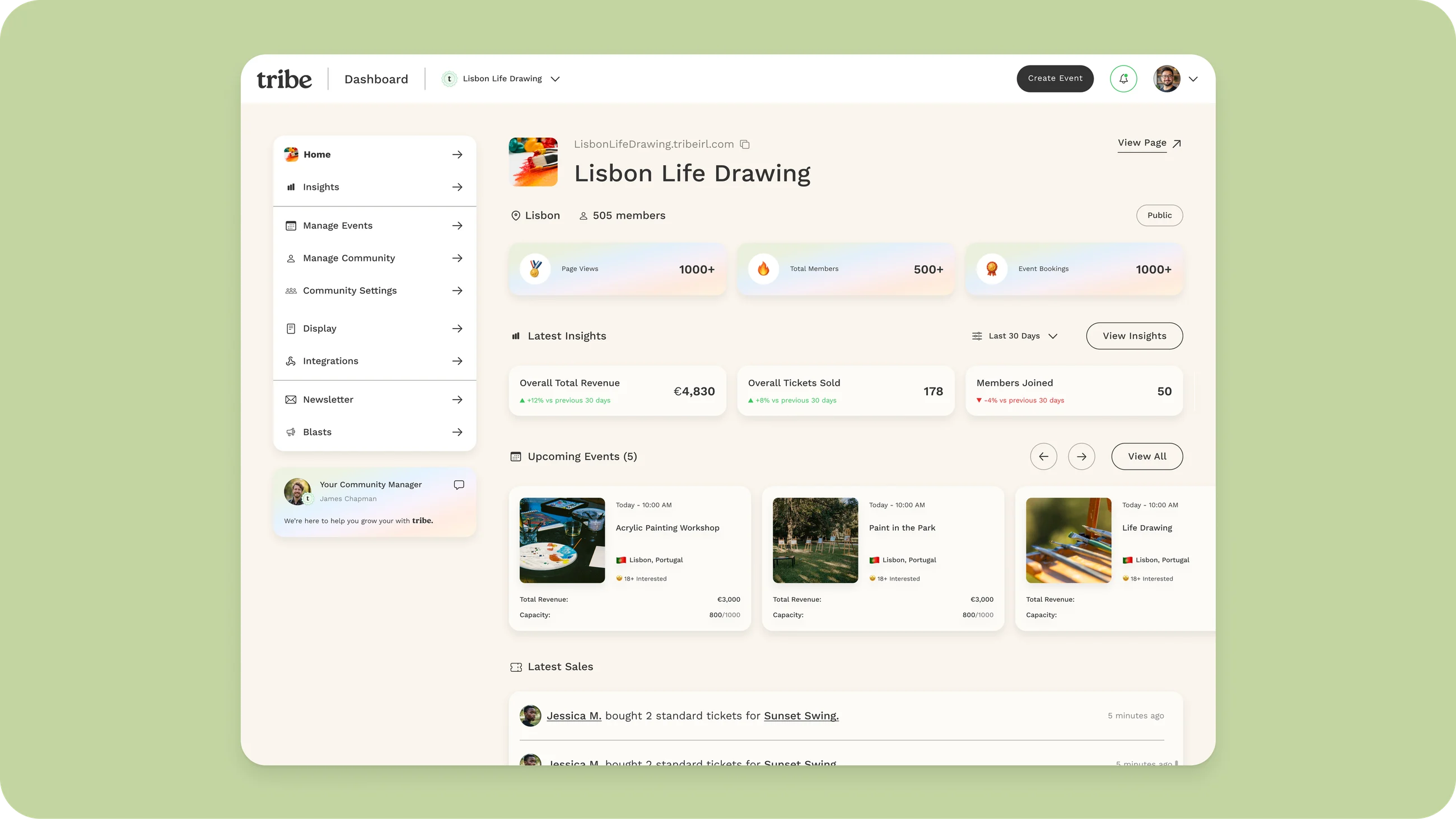
B2B · Community creators
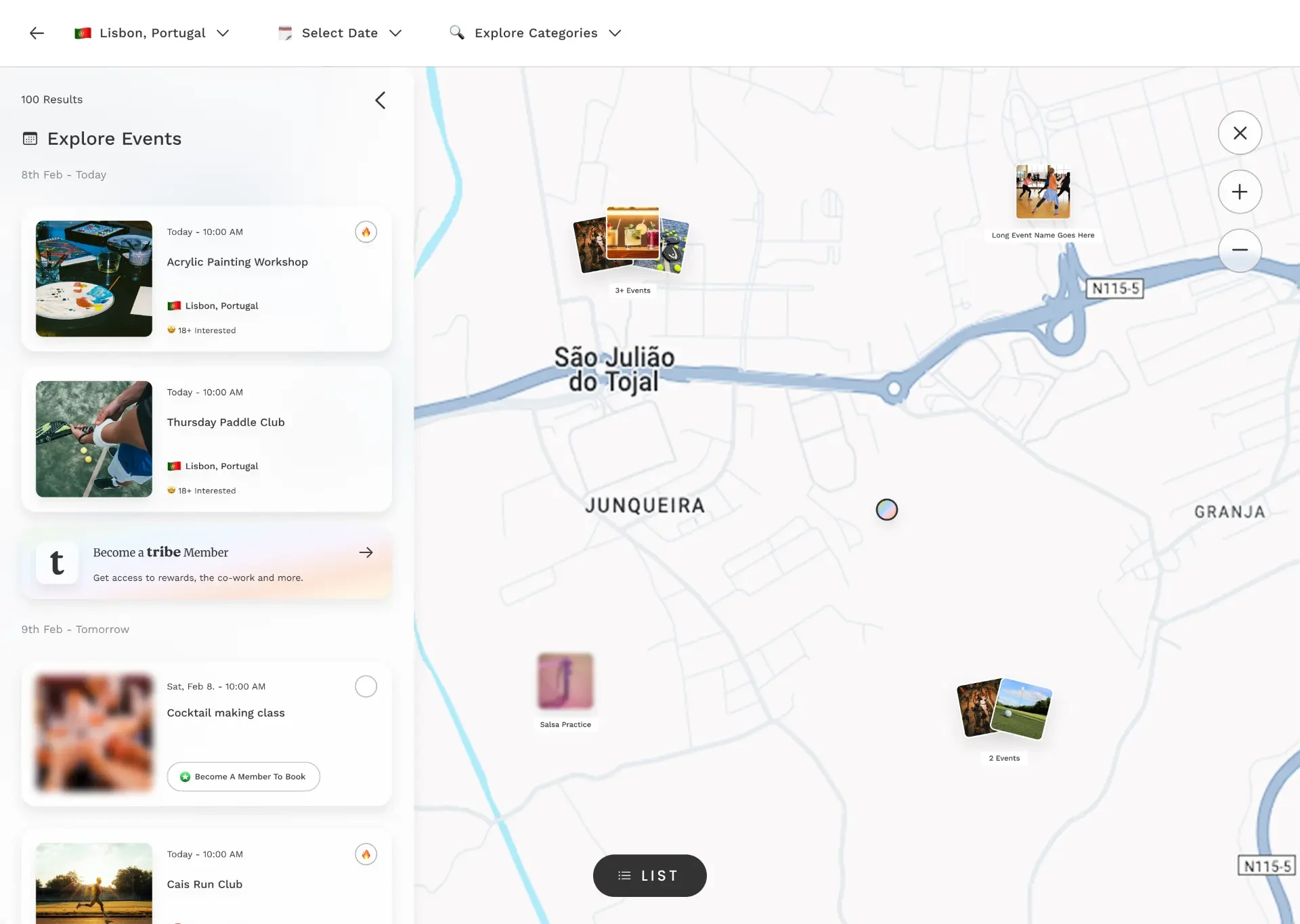
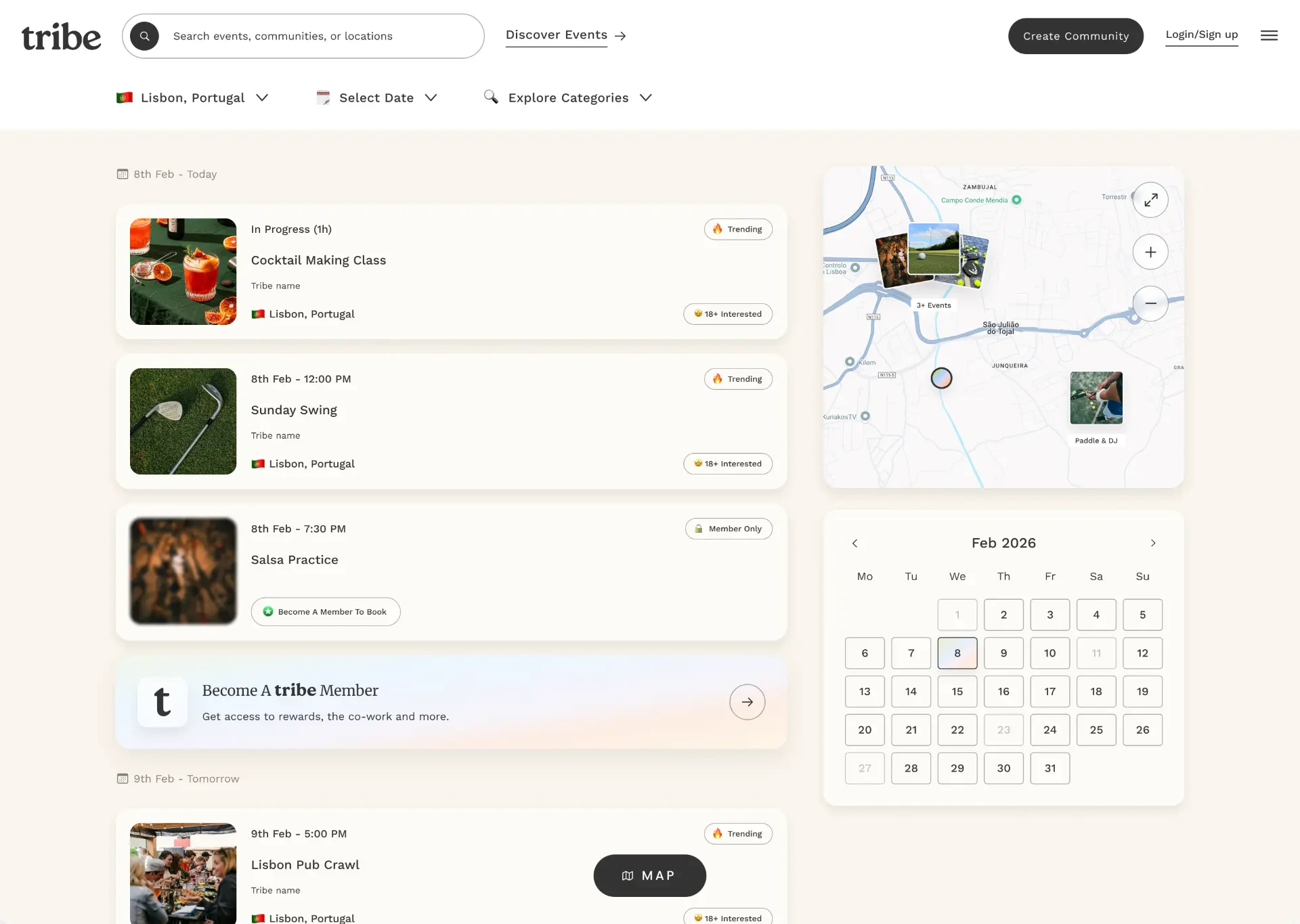
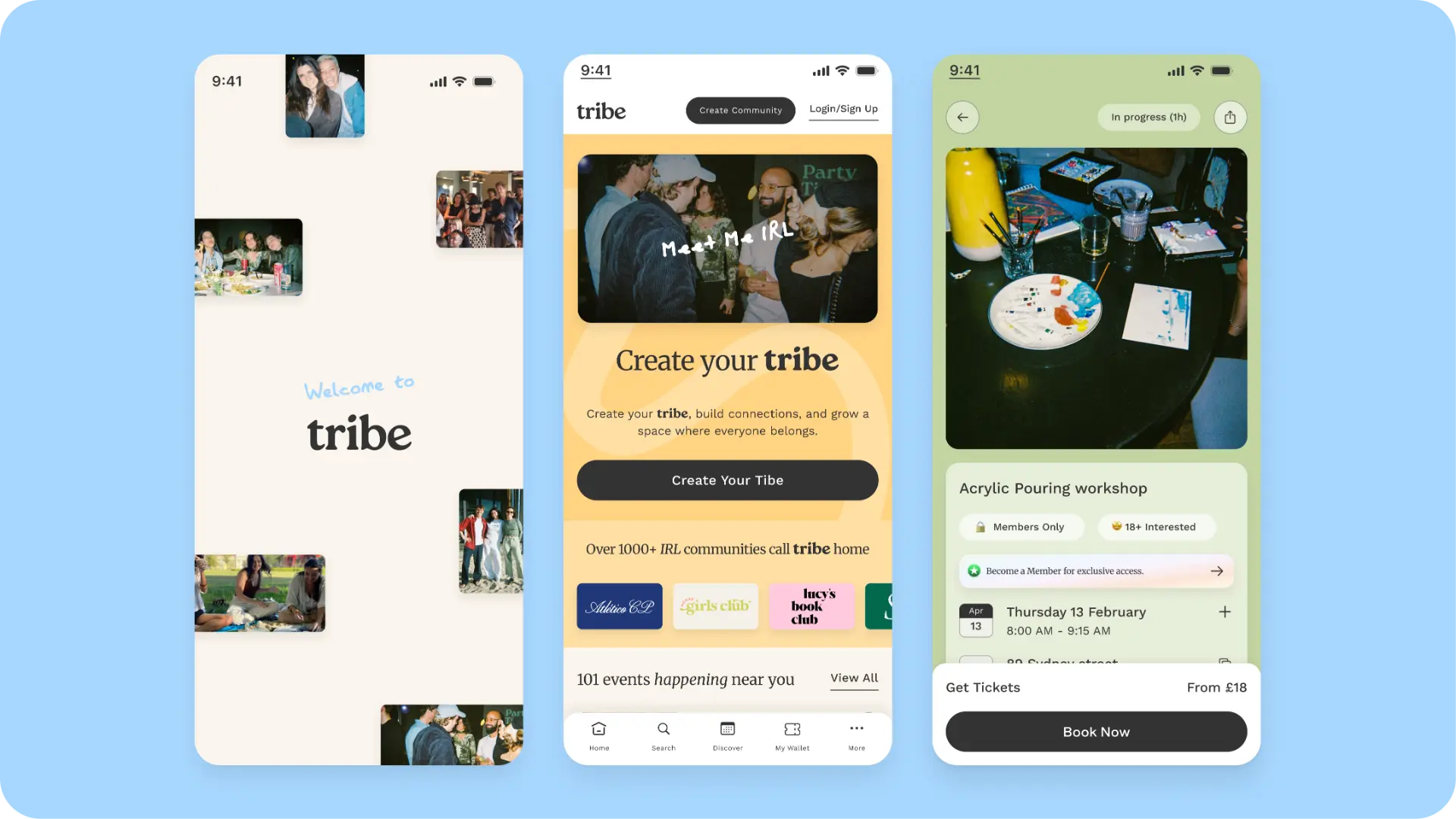
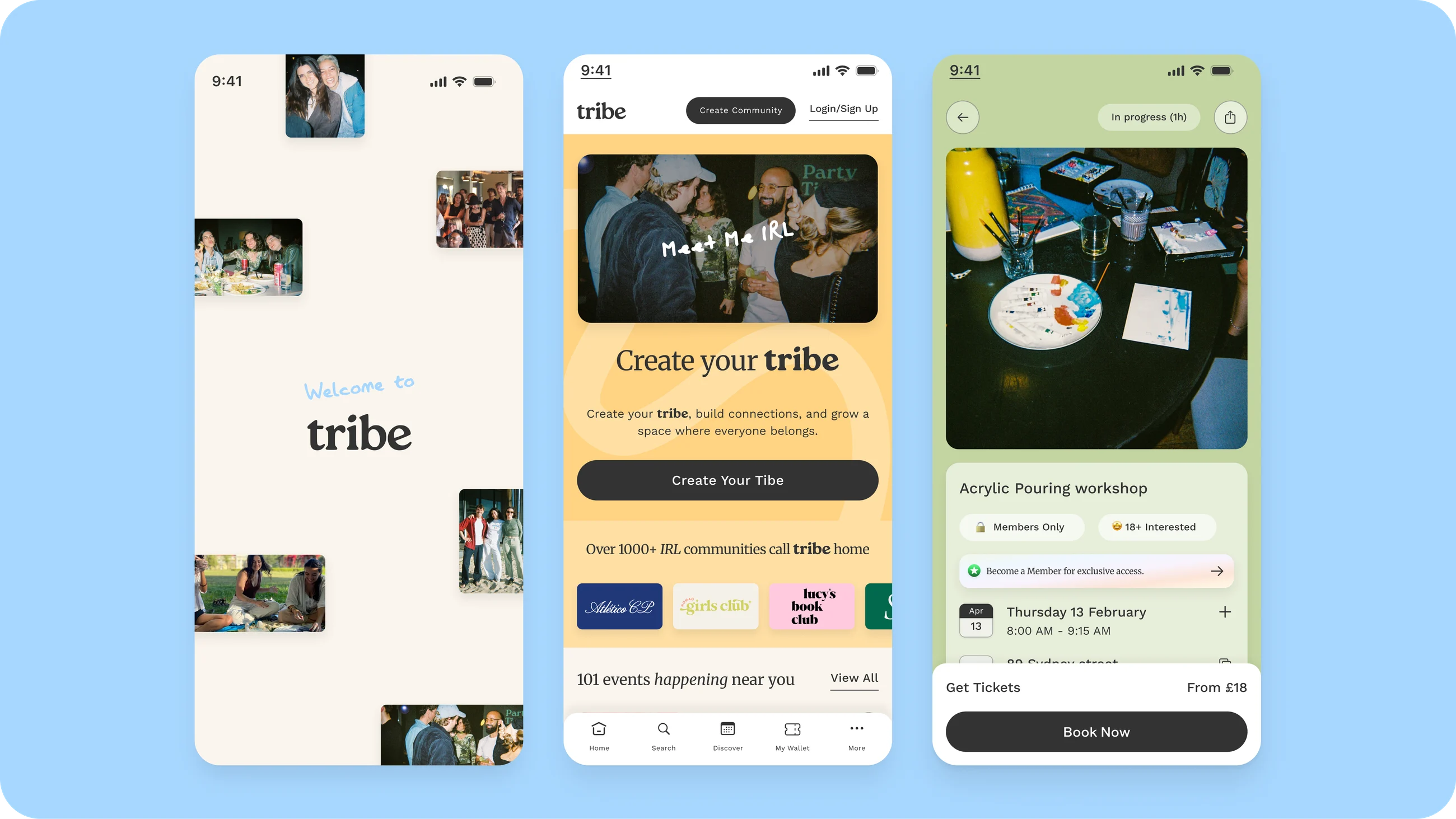
B2C · Ticket purchasers
From discovery to daily use, built as one product.


Design approach
Validation & shipping
PRD's
Behaviour, permissions, edge cases and failure states the designs can't carry.
User testing
Every load-bearing flow prototyped and tested with 5 active organisers first.
What changed
Membership purchase moved inside the event flow; refunds became self-serve.
Conclusion
A year in, both sides of the product are live and used daily, on a foundation the team keeps shipping into feature by feature.
Memberships, ticketing, payments and analytics behave consistently because they extend the same system. New features land without a parallel design track and specs hold up in QA.
Key decision: built memberships, events and ticketing as one connected product rather than three loosely linked tools. Slower to ship v1; meant organisers ran a single product instead of stitching separate flows together, and engineering only maintained one core.
Other case studies
Quantifire
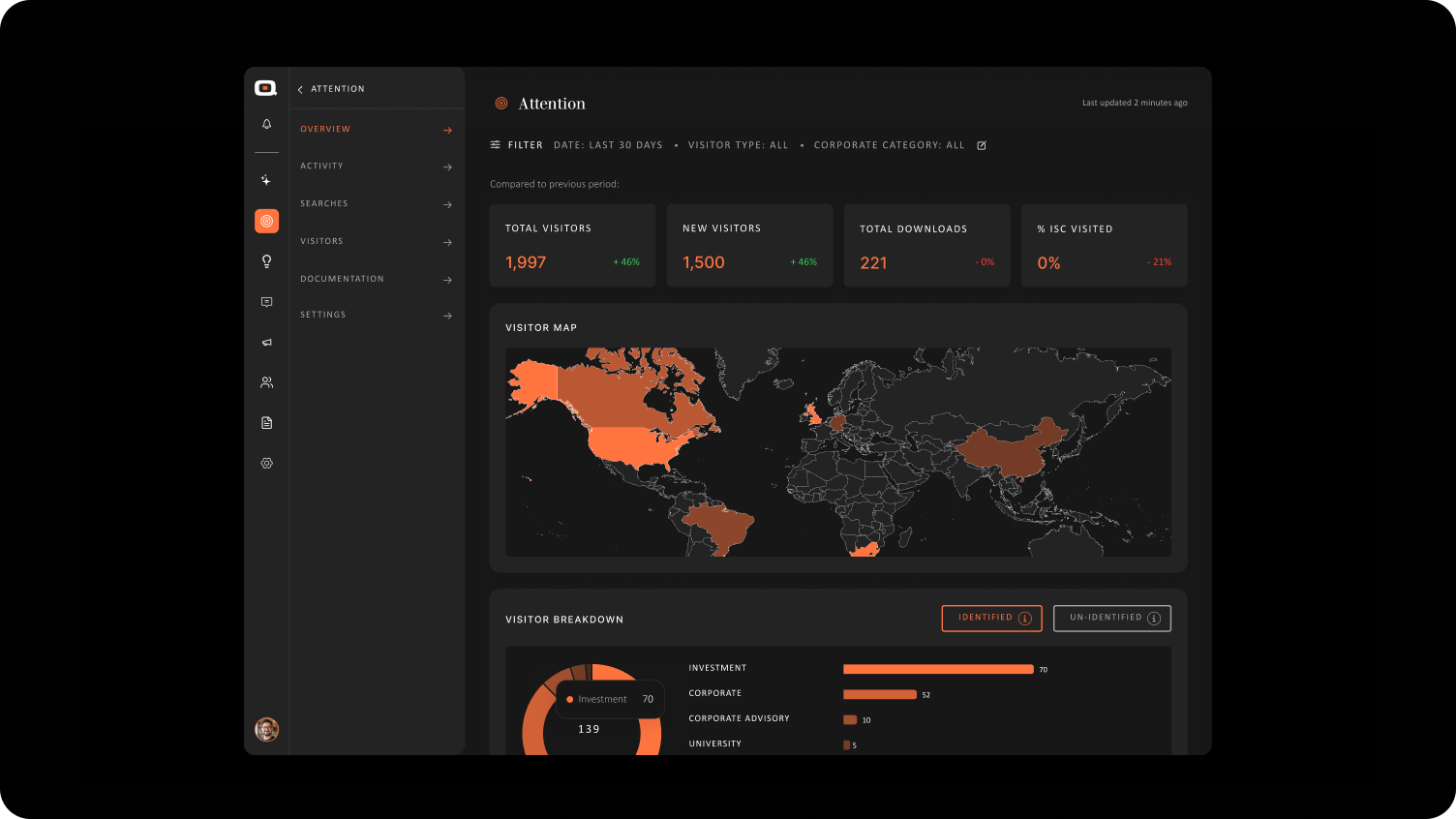
ViewProduct · B2B Intelligence · 2026—ongoing
A dashboard that turns scattered signals into decisions.
Maybourne
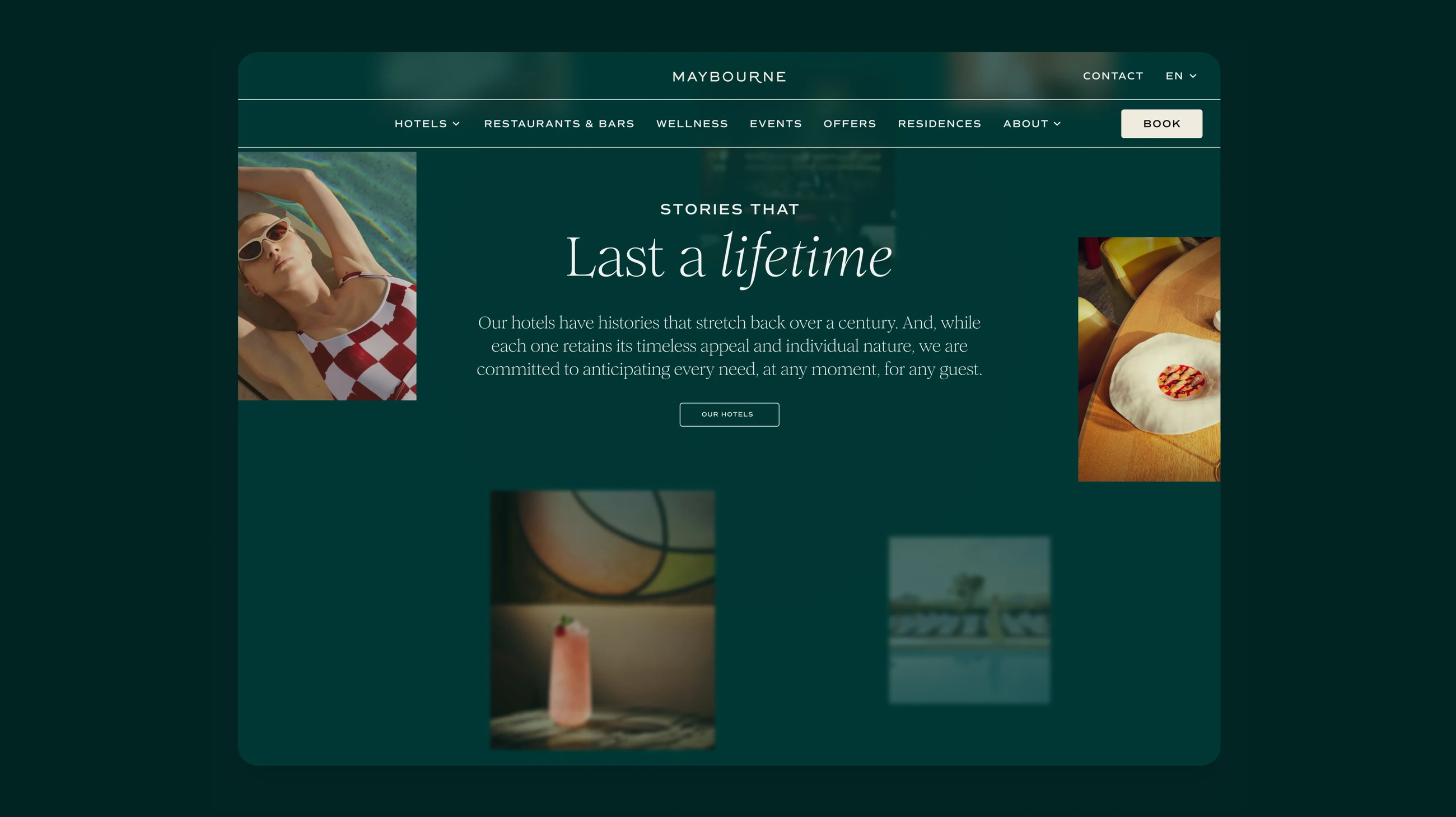
ViewWebsite · Hospitality · 2025—26
IA, UX/UI and a design system across six luxury properties.
OVO Energy
ViewMobile App · Everyday · 2024
An energy app built around the questions people actually ask.